
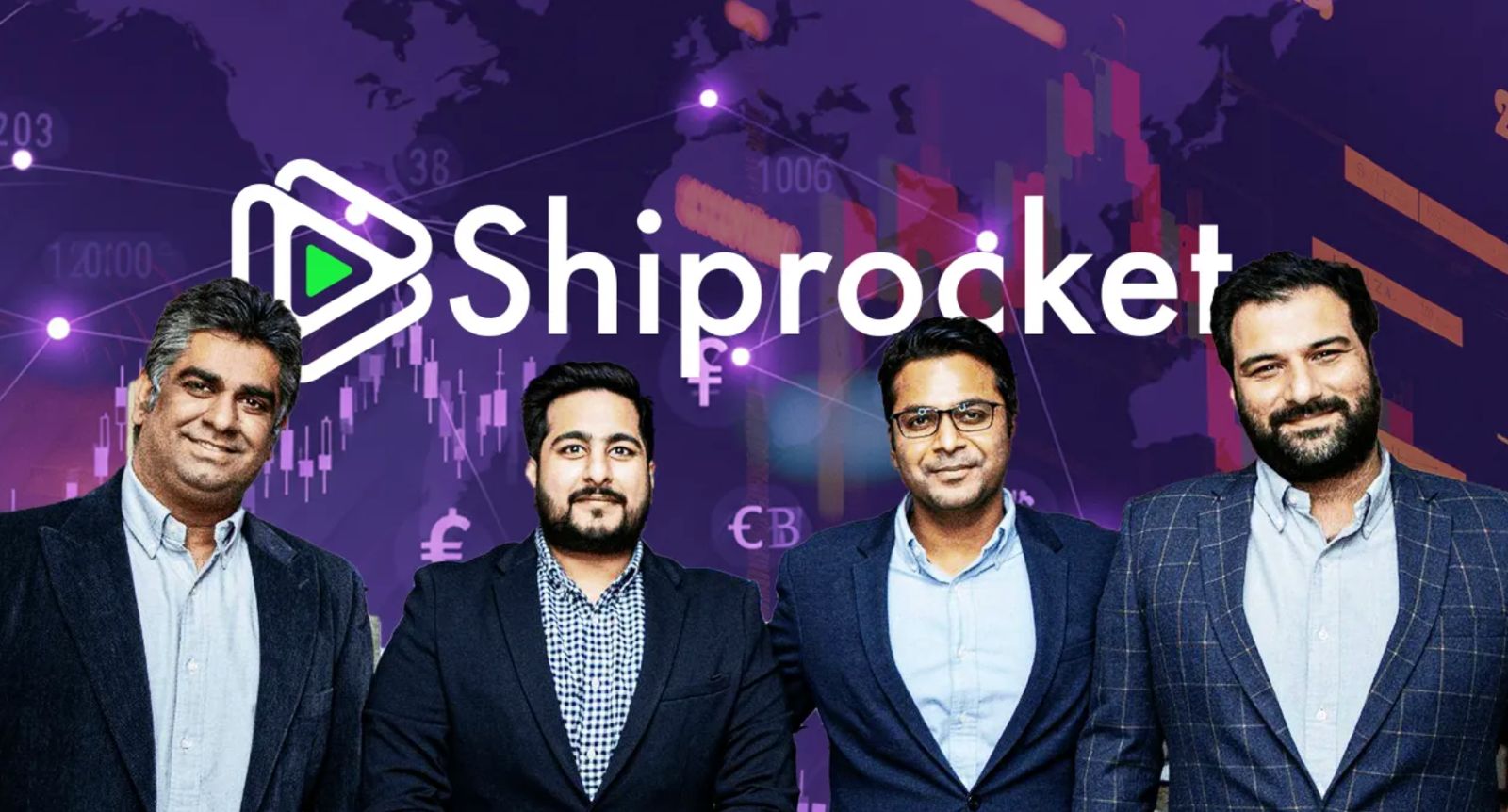
Shiprocket delivered a striking market debut, with its shares listing at a 35 percent premium to its Rs 97 IPO price before climbing as much as 48.6 percent intraday, putting the company’s peak valuation at roughly $1 billion, according to Reuters.
Why is Shiprocket’s IPO success significant for India’s logistics sector?
The excitement extends beyond a successful technology listing, reflecting a broader bet that India’s next phase of e-commerce will be driven by D2C brands, smaller merchants and consumers outside metro cities. Shiprocket’s opportunity lies in owning the technology layer that stitches together this fragmented logistics system without owning the trucks, warehouses or delivery network underneath it.
What structural shifts in Indian e-commerce are fuelling Shiprocket’s growth?
India’s e-commerce market remains relatively early in its development, with Reuters citing forecasts of 20-25 percent compound annual growth through 2030, driven by greater internet access, wider digital payment adoption, and rising demand from smaller cities. An Economic Times report from May, citing industry estimates, noted that Tier-2 and Tier-3 cities are becoming the source of a significant share of incremental online demand as connectivity, digital payments and logistics infrastructure continue to improve.
How is the D2C segment shaping Shiprocket’s opportunity?
According to Unicommerce’s latest D2C market analysis, reported by ET in April, D2C order volumes rose 33 percent in FY26 while GMV increased 32 percent, with Tier-2 and Tier-3 cities accounting for nearly 66 percent of new D2C orders and 60 percent of incremental GMV during the year. The report placed the current Indian D2C market at USD 10-12 billion, projecting growth to USD 60 billion by 2030. Unlike large retailers that can negotiate directly with logistics companies and build dedicated fulfillment infrastructure, small online brands cannot, and as thousands of such merchants come online, the resulting fragmentation becomes Shiprocket’s core opening.
Why does D2C growth change the nature of the logistics problem?
D2C brands lack the predictable order density of major marketplaces, selling instead through their own websites, social platforms and multiple channels with sharply varying order volumes across geographies. This makes logistics as much a technology problem as a transportation one. Shiprocket effectively turns this long tail of merchants into a single technology customer, giving them one interface to compare carriers, generate shipping labels, track orders and manage fulfilment, while routing individual shipments across its logistics partners behind the scenes.
How does Shiprocket’s technology-first model give it an edge?
Shiprocket’s platform sits above the physical logistics network rather than owning it, a positioning that gains importance as India’s logistics industry shifts from a relationship-driven model to an API-driven one, connecting storefronts, warehouses and courier networks for automated order processing, carrier selection and cost optimization. Analyst firm Sacra describes Shiprocket as an e-commerce enablement platform for Indian D2C brands and SMB merchants, with shipping as the entry point and fulfillment, checkout, cross-border services and merchant finance as subsequent layers of the business.
How is Shiprocket’s business mix evolving beyond core shipping?
Shiprocket’s FY25 revenue rose 24 percent to Rs 1,632 crore from Rs 1,316 crore in FY24, while net loss fell sharply to Rs 74 crore from Rs 595 crore. Cash EBITDA moved from a Rs 128 crore loss to a positive Rs 7 crore. The company’s emerging businesses, including payments, cross-border shipping and quick commerce-linked services, accounted for 20 percent of revenue in FY25, up from 11 percent two years earlier, reflecting a broader shift from a pure shipping aggregator toward a wider commerce infrastructure platform.
What does this mean for India’s broader logistics and e-commerce ecosystem?
Shiprocket’s strong debut signals rising investor confidence in India’s tech-driven e-commerce infrastructure, positioning the company to benefit from the continued expansion of D2C brands, SMB digitisation and quick commerce reshaping demand across Tier-2 and Tier-3 markets in the years ahead.









