
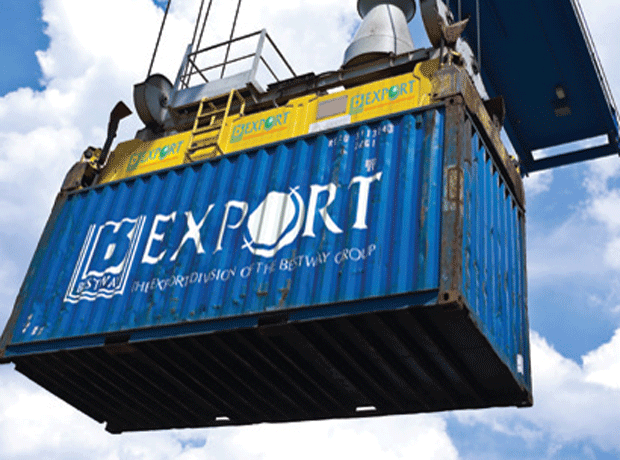
July 30, 2020: After more than a decade and a half, India will end its financial year as a net exporter. But this current account surplus, an RBI report says, is due to greater fall in imports than that in exports.
For decades, the governments at the Centre have pushed for an economic situation where India is a net exporter of goods and services to the world. Having a current account surplus (CAS) has been one of the ultimate desired goals of Indian economy as the current account deficit (CAD) has been a sort of burden on the government expenditure.
The latest RBI report says India’s current account would be in surplus in 2020-21. This is the first time since 2003-04 that the Indian economy would be clocking a current account surplus.
This means India will be a net exporter of goods and services in a departure from its usual status of a net importer that drains its foreign exchange reserves. The RBI report says the current account surplus would be around 0.4 per cent of the GDP in the ongoing fiscal.
In 2003-04, India posted a $10.6 billion surplus in current account. For that year, it stood at 1.8 per cent of the GDP.
CAD TO CAS: THE CHANGE
According to the RBI data, the Indian economy has pegged first quarterly surplus for April-June 2020 in current account since 2007. The current account surplus for the last quarter stood at around $600 million or 0.1 per cent of the GDP.
In the corresponding quarter in 2019-20, Indian economy registered a current account deficit of $4.6 billion or 0.7 per cent of the GDP.
However, this current account surplus may not be good news for the economy. This is a reflection of global as well as Indian economic sluggishness.
WHY THIS SURPLUS?
India’s current account stays in deficit. The country spends huge money on the imports of crude oil, gold and electronic items. Coronavirus pandemic saw unusually low prices for crude oil. On certain days, the exporters in the Gulf region paid the importers to lift their stock.
Secondly, demands have fallen in the domestic market for almost all goods except the most essential items. The rural areas have seen sluggish demands for several months and quarters. This has impacted imports hugely.
Interestingly even the export from India has fallen. But the fall in the value of export is lower than the fall that of imports. Crude oil makes 20 per cent of all imports in terms of value. Gold and electronic items are other major imports in terms of value.
Low oil prices and lower demands for gold and electronic goods have set a trend that the RBI report expects to continue for rest of the fiscal year resulting in more export than import in the country.
Simply put, this current account surplus is neither a planned economic output nor a result of robust Make In India turnaround as the popular chorus on social media might make one believe – “Buy Local, Think Global”.
FUTURE STILL AS PAST
The RBI report itself considers this current account surplus a blip. The report estimates that current account deficit would be back next fiscal pegging at 0.3 per cent of the GDP in 2021-22. The central bank expects a rise in crude oil prices, recovery in demands for imports and a moderate recovery in exports during the next fiscal.
Though lower crude oil prices augur well for saving millions of dollars in forex, it impacts Indian economy adversely in longer run. Lower crude oil prices are disadvantageous for Gulf region countries – the major oil exporters and employers of a huge chunk of Indian expatriates.
The Indian expatriates are sending volumes in remittances. The Gulf Cooperation Council (GCC) countries account for over 60 per cent of all remittance inflow to India.
If these countries suffer on account of lower crude oil prices, it disturbs the remittance flow to India.??It is estimated that a fall in oil prices by 10 per cent slashes the volume of remittance flow to India by seven per cent. So, a continued slide in oil prices has its own disadvantages for India.
Source: India Today









