
Monday, November 23, 2026
Maritime Gateway
No Result
View All Result
  • Logistics
    • Supply Chain
    • Warehousing
    • Logistics Parks
  • Transport
    • Rail
    • Trucking
    • Multimodal
    • Waterways
  • Global News
    • Americas
    • Asia
    • Europe
    • Middle East
    • Africa
  • Technology
  • More
    • Webinars
    • Reports
    • Newsletters
  • Login
Maritime Gateway
  • Logistics
    • Supply Chain
    • Warehousing
    • Logistics Parks
  • Transport
    • Rail
    • Trucking
    • Multimodal
    • Waterways
  • Global News
    • Americas
    • Asia
    • Europe
    • Middle East
    • Africa
  • Technology
  • More
    • Webinars
    • Reports
    • Newsletters
No Result
View All Result
  • Login
Maritime Gateway
No Result
View All Result

Eastern DFC simplifies coal logistics, reduces time taken

byKalpana Pandey
October 20, 2023
in Asia, Cargo, Dry Bulk, News
Reading Time: 3 mins read

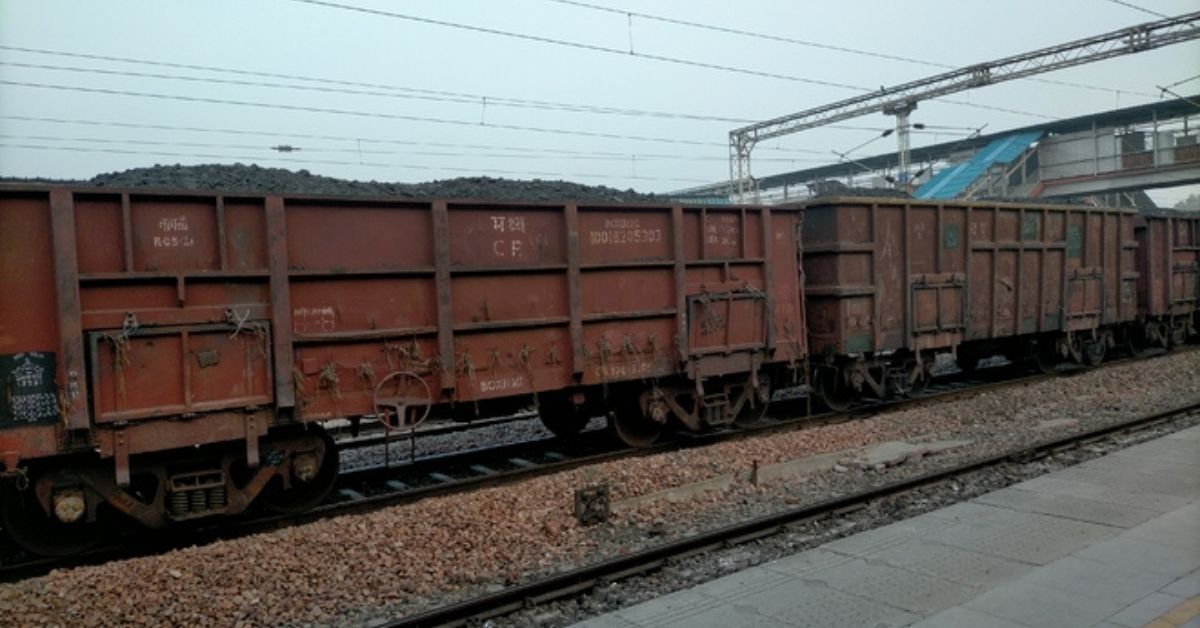
The 1,337-km EDFC, meant only for freight trains, between Sonnagar in Bihar and Sahnewal near Ludhiana, will see freight trains loaded with coal from eastern and central coalfields and meant for the power plants in north India run at top speeds of 60-70 kmph, since they will not have to jostle for space with passenger trains, like in the conventional railway network.

“This is like the express highway for trains. The moment they come to our network, the freight trains are able to run at double the usual speed,” Ravindra Kumar Jain, managing director, EDFC said.

The east-to-north railway freight route is the lifeline for coal from eastern and central coalfields to the thermal power plants. However, the line-capacity utilisation of the conventional main railway line, which is the Delhi-Howrah Grand Chord, is saturated at around 120 per cent, thanks to the growing number of trains—both freight and passenger—over the years.

The freight corridor was designed to take most of the goods traffic out of this line and help reduce congestion and increase speeds for passenger trains on the conventional Indian Railway network, while reducing the time taken to transport goods significantly.

With the entire corridor now complete, the option to progressively implement that vision is ready, officials said. “For loaded freight trains bringing coal from the eastern side, the time is reduced to 20 hours from the current 40 on the conventional Indian Railways network. For other shorter distances, the time is reduced from 20 hours to 10 and so on,” Jain said.

The corridor is designed for a maximum speed of 100 kmph, but that is a tall order for current freight trains, which are allowed to hit a top speed of around 60-70 kmph when loaded. Generally, in the regular railway network, the loaded freight trains are able to clock much less than that, often crawling at 25 kmph or so.

However, the empty rakes, after unloading, return at a speed of 100 kmph on the DFC, officials said, which reduces the turnaround time of rakes and increases overall capacity. The various stretches of the EDFC have been completed in stages over the past couple of years.

A freight train was sent on a trial run on the 401-km section between Sahnewal and New Khurja in western Uttar Pradesh earlier this week, officials said, marking the completion of all the stretches. “Currently we are running 70 trains one way every day. By the end of the financial year, we are hoping to touch the maximum capacity of running 120 trains per day each way,” Jain said.

Coal rakes from the eastern coalfields will travel through Jharkhand and enter the EDFC mostly through Sonnagar, while those from the central and northern coalfields will connect to the corridor using critical feeder routes such as the 44-km Tori-Shivpur line in Jharkhand and Chopan-Chunar line in Uttar Pradesh, before travelling northwards. The power utilities in UP, Haryana and Punjab account for almost 70 per cent of the installed capacity of coal-based power plants in the northern region. The higher speeds on the corridor are enabled also by tracks being capable of heavier loads and the signalling system that has less requirement for trains to slow down en route. Unlike the conventional network, the DFC has signalling every 2 km, which also allows better operational visibility to loco drivers. “During the fog months, we have the advantage that there are signals every 2 km and the fact that there is no passenger train to share the line with. This enables more seamless and faster movement even in poor visibility conditions,” he said.


Tags: Coal logisticsDedicated Freight CorridorEastern Dedicated Freight CorridorLogistics cost

Kalpana Pandey

The Maritime Gateway Editorial Team delivers trusted news, analysis, and insights on shipping, ports, logistics, supply chains, and global trade, backed by industry expertise and editorial review.

Related Posts

India ship entry rules add salvage and pollution-response checks
Customs

India ship entry rules add salvage and pollution-response checks

October 10, 2026
NCT concession keeps ownership with Bangladesh
Asia

NCT concession keeps ownership with Bangladesh, says shipping minister

October 10, 2026
Major Ports Cargo Traffic Climbs 8% in First Half of FY27
Cargo

Major Ports Cargo Traffic Climbs 8% in First Half of FY27 as Growth Gathers Pace

October 10, 2026
Trichy Dry Port Moves Ahead
Cargo

Trichy Dry Port Moves Ahead as Tamil Nadu Shortlists Sites for Multimodal Logistics Hub

October 10, 2026

Leave a Reply Cancel reply

Your email address will not be published. Required fields are marked *

Popular News

No Content Available
[mc4wp_form]
Next Post

Shipping industry off track to meet 5% zero-emission fuel target by 2030

A modern news portal designed for daily coverage of breaking stories, global events, politics, business, technology, sports, and entertainment. Built to deliver fast, reliable, and engaging journalism across every major news category.
[mc4wp_form]
Browse by Category
  • 2008
  • 2009
  • 2010
  • 2012
  • 2013
  • 2014
  • 2015
  • 2016
  • 2017
  • 2018
  • 2019
  • 2020
  • 2021
  • 2022
  • 2023
  • 2024
  • 2025
  • 2026
  • Africa
  • Air Cargo
  • Americas
  • Articles
  • Asia
  • Bulk Ports
  • Bunkering
  • Business
  • Cargo
  • Container Terminals
  • Containers
  • Customs
  • Digital Dialogues
  • Dry Bulk
  • Economy
  • Entertainment
  • Equipment
  • Europe
  • EXIM
  • Featured
  • Forwarding
  • Global News
  • Government
  • Interviews
  • Lifestyle
  • Liquid Bulk
  • LNG
  • Logistics
  • Logistics Parks
  • Magazines
  • Main Line Operators
  • Middle East
  • Multimodal
  • National
  • News
  • Newsletters
  • NVOCC
  • Policy
  • Politics
  • Ports
  • Project Cargo
  • Rail
  • Recommended
  • Reports
  • Science
  • Shipping
  • Sports
  • Supply Chain
  • Tankers
  • Tech
  • Technology
  • Transport
  • Trending
  • Trucking
  • Uncategorized
  • Warehousing
  • Waterways
  • Webinars
  • World

Site Links

  • Site Admin
  • Log Out
  • Entries Feed
  • Comment Feed

Download Our App

Follow Us

© 2026 JNews – Premium WordPress news & magazine theme by Jegtheme.
  • Terms of Use
  • Privacy Policy
  • Manage Cookies
  • License

Welcome Back!

Login to your account below

Forgotten Password?

Retrieve your password

Please enter your username or email address to reset your password.

Log In
No Result
View All Result
  • Home
  • Politics
  • World
  • Business
  • Science
  • National
  • Entertainment
  • Lifestyle
  • Tech

© 2026 JNews - Premium WordPress news & magazine theme by Jegtheme.






