
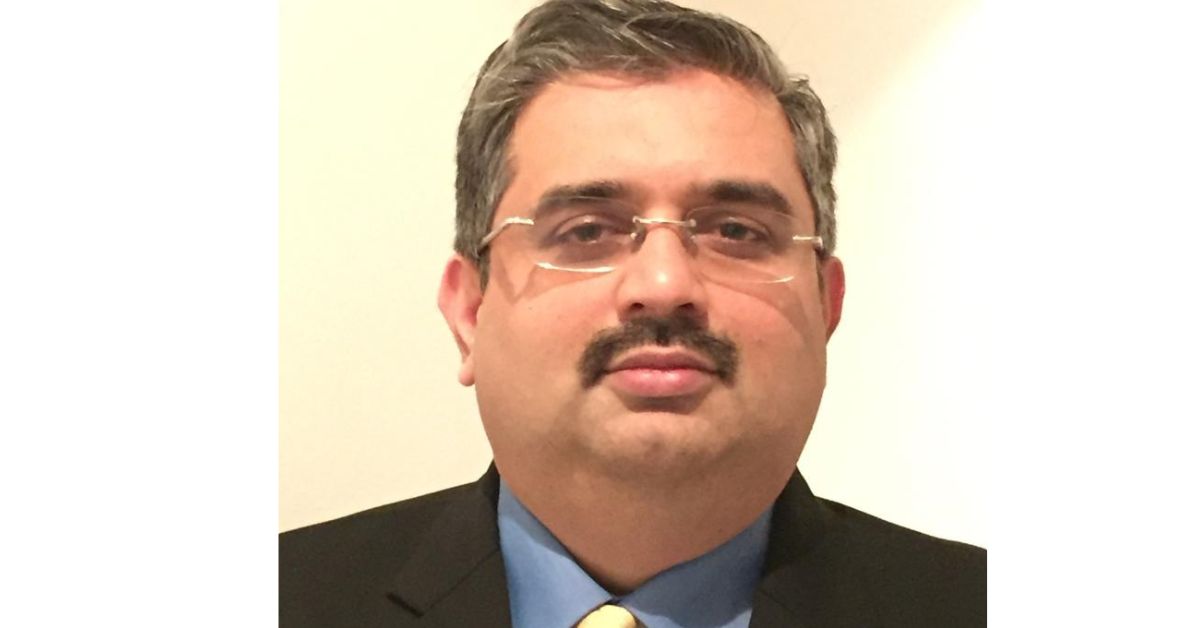
How would you describe the current landscape of ship finance and leasing in India? What progress has been made in the past two to three years?
India’s ship finance and leasing landscape has historically been limited. The post-2009 financial crisis significantly curtailed ship financing by Indian banks. Due to regulatory constraints, Indian banks cannot own ships, and private equity activity in this domain has been negligible. Tax complexities and unfavourable regulations have also driven capital out of India into more enabling jurisdictions.
However, the past 2–3 years have shown signs of revival, especially with the advent of the International Financial Services Centre (IFSC) at GIFT City, which offers a globally competitive platform for ship leasing and finance.
What are the key regulatory and financial challenges Indian shipowners and lessors face compared to global hubs like Singapore or Hong Kong?
There are several persistent challenges:
- Limited flexibility in registering ships in jurisdictions of choice.
- Complex taxation, including withholding taxes and restrictive tonnage tax norms.
- Indian lenders lack access to long-term dollar-denominated funds, resulting in asset-liability mismatches.
- FEMA and ECB guidelines make borrowing in foreign currency cumbersome and costly.
These issues collectively impact the competitiveness of Indian players in the global ship finance arena.
How has GIFT IFSC helped overcome some of these challenges? What makes it attractive for both domestic and international stakeholders?
GIFT IFSC has been a game-changer in many ways. IFSC entities are treated as non-residents under FEMA, giving them the freedom to operate in US dollars and other hard currencies. They enjoy a 10-year tax holiday, sidestepping complications linked to the Indian tonnage tax regime. GST exemptions are available for both import of ships and services rendered to or from IFSC units. Charter hire payments from GIFT are exempt from withholding tax.
All of this positions GIFT IFSC as a globally competitive maritime finance hub.
What has been the response from Indian and global shipping companies in setting up leasing operations at GIFT City?
The response has been very encouraging, especially since regulatory clarity emerged around 2022. While operations are currently limited to Indian-flag vessels due to the Merchant Shipping Act, the ecosystem is developing rapidly.
More than 20 companies, including global names like CMA CGM, MOL, ArcelorMittal, and Transworld Group, have registered at GIFT City. Indian banks have also started offering dollar-denominated debt, marking a significant return to ship financing.
Which vessel types are seeing more traction under the GIFT IFSC framework?
Most of the vessels financed or leased under GIFT IFSC are linked to India’s coastal trade and PSU contracts. These include bulk carriers, product and chemical tankers, and container ships. There’s potential for expansion into offshore vessels and LNG carriers in the future.
How does the Indian ship leasing ecosystem align with the broader Maritime India Vision 2047?
Maritime Vision 2047 aims to increase India’s footprint in global shipping. GIFT IFSC provides a tax and regulatory environment similar to global hubs, encouraging capital inflow and professional expertise. While the measure of success shouldn’t solely be the share of Indian cargo carried by Indian vessels, building capacity and competitiveness through GIFT is a step toward reducing strategic dependence and building a vibrant maritime finance ecosystem.
What further policy reforms or incentives are needed to accelerate ship financing in India?
While GIFT IFSC has addressed many tax concerns, the following areas need attention:
- Abolishing taxes on royalties and fees for technical services (FTS).
- Revisiting dividend withholding tax from IFSC units.
- Allowing Indian-owned ships to register overseas under open registries via Foreign Maritime Entity (FME) schemes.
- Clarifying frameworks for shipbroking, asset management, and related services.
- Permitting banks to own leased assets, especially ships, by revisiting current banking restrictions.
Are Indian banks and NBFCs prepared to support long-tenure ship financing? How can their role be enhanced?
With ships now classified as infrastructure, there’s greater scope for banks to extend long-tenure loans. However, most banks still lack dedicated maritime finance teams. The way forward lies in developing specialized units, adopting asset-based financing models, and embracing financial leasing as a structured offering.
How can public-private partnerships, sovereign funds, and FIIs contribute to India’s maritime finance sector?
Sovereign wealth funds typically invest via fund-of-funds, though specific large-scale projects like LNG carriers might attract direct interest. Public-private partnerships can play a pivotal role in credit enhancement, guarantee mechanisms, and viability gap funding. Foreign Institutional Investors (FIIs) bring much-needed expertise and capital to catalyze the sector’s growth.
What is your outlook for India becoming a global maritime finance hub by 2030? What milestones must we achieve?
India has the fundamentals—a $3 trillion banking system, skilled workforce, and a maritime market handling close to a billion tons. Annual PE/VC investments in India range between USD 40–60 billion, making it ripe for structured maritime investments.
Key milestones include:
- Ownership of vessels trading globally (beyond coastal and PSU markets).
- Shift from balance-sheet to asset-based financing.
- Legal framework enabling financial leasing by banks.
- Establishment of a comprehensive maritime ecosystem comprising asset managers, law firms, insurance companies, and brokers.
With sustained policy support and industry commitment, India is well-positioned to become a top-tier maritime finance hub by the end of this decade.









