
Monday, November 23, 2026
Maritime Gateway
No Result
View All Result
  • Logistics
    • Supply Chain
    • Warehousing
    • Logistics Parks
  • Transport
    • Rail
    • Trucking
    • Multimodal
    • Waterways
  • Global News
    • Americas
    • Asia
    • Europe
    • Middle East
    • Africa
  • Technology
  • More
    • Webinars
    • Reports
    • Newsletters
  • Login
Maritime Gateway
  • Logistics
    • Supply Chain
    • Warehousing
    • Logistics Parks
  • Transport
    • Rail
    • Trucking
    • Multimodal
    • Waterways
  • Global News
    • Americas
    • Asia
    • Europe
    • Middle East
    • Africa
  • Technology
  • More
    • Webinars
    • Reports
    • Newsletters
No Result
View All Result
  • Login
Maritime Gateway
No Result
View All Result

Textile millers moving away from Indian cotton

byMaritimegateway
June 4, 2020
in News
Reading Time: 3 mins read

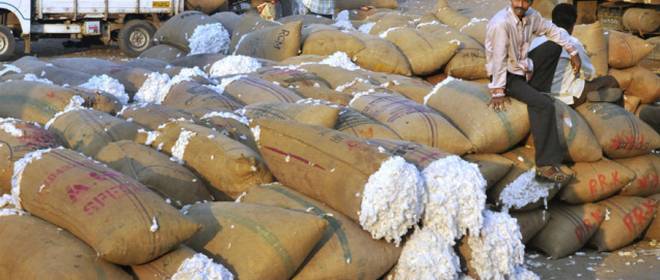
Import of cotton from India, once the main sourcing destination for Bangladesh’s textile millers, dipped further last year as locals are increasingly moving to suppliers in North and West African countries to cut reliance on the neighbouring country.

In 2019, 18 per cent of the cotton imported by Bangladesh came from the neighbouring country, according to data from the Bangladesh Textile Mills Association (BTMA). A year earlier, it was 26 per cent. Last year, Bangladesh, the largest importer of cotton in the world, met 41 per cent of its requirement for the white fibre from East and West African countries.

The local spinners and importers have been diversifying sourcing — and cutting reliance on India — mainly for a price advantage, followed by quality shipment. “Quality shipment means quality, timely shipment and commitment,” said Mehdi Ali, president of the Bangladesh Cotton Association, adding that contamination is a big problem in Indian cotton.

The low quality of the Indian cotton is the main reason behind the falling imports from the neighbouring country, said Monsoor Ahmed, secretary of the BTMA. A section of Indian cotton traders also doesn’t maintain timely shipment and deliver the right quantity as per agreements, he said.

For example, it is written in the letters of credit that there maybe 3 to 4 per cent less cotton than the amount agreed upon when the imported fibre is weighed in Bangladesh. But in many cases, it is 10 to 15 per cent less, he said.

“The concentration of moisture in Indian cotton is higher and this makes it difficult to store them in the warehouses for a long time.” Sometimes, according to Mansur, Indian exporters stop supplying without any notice.

As a result, more than $8 billion worth primary textile sector in Bangladesh has to suffer a lot. Such uncertainties emerged several times in the past, he said. “So, local importers are not relying too much on a single country. Rather, they have diversified sourcing destinations in the last few years,” Ahmed said.

Since the cotton prices of India, the largest producer of the raw material worldwide, are almost the same relative to other countries, the importers are looking for sellers in Western and Eastern African countries, said Razeeb Haider, managing director of Outpace Spinning Mills in Shreepur.

“This is because the spinners and importers are getting better quality cotton at the same prices.” But because of the coronavirus pandemic, the price of Indian cotton has declined. “So, there might be an increase of demand for the raw material from the country,” he added.

In the international markets, Indian cotton sells for 62 cents per pound compared with 68 cents in other countries. “So, if India can minimise its contamination problem, it could be in a better position,” Ali said, adding that Bangladeshi importers are not enjoying any extra benefits from any origin.

Last year, more than 12 per cent of the cotton came from the Commonwealth of Independent States countries, nearly 12 per cent from the US, 5 per cent from Australia and 10 per cent from the rest of the world.

Brazil, the US and Australia are progressively becoming popular sources for local cotton importers and spinners, too. Bangladesh produces 1.65 lakh bales to 1.70 lakh bales of cotton a year, which is less than 3 per cent of the annual demand for 10 million bales.


Tags: Bangladesh tradeCotton importindia-Bangladesh trade

Maritimegateway

The Maritime Gateway Editorial Team delivers trusted news, analysis, and insights on shipping, ports, logistics, supply chains, and global trade, backed by industry expertise and editorial review.

Related Posts

India ship entry rules add salvage and pollution-response checks
Customs

India ship entry rules add salvage and pollution-response checks

October 10, 2026
NCT concession keeps ownership with Bangladesh
Asia

NCT concession keeps ownership with Bangladesh, says shipping minister

October 10, 2026
Major Ports Cargo Traffic Climbs 8% in First Half of FY27
Cargo

Major Ports Cargo Traffic Climbs 8% in First Half of FY27 as Growth Gathers Pace

October 10, 2026
Trichy Dry Port Moves Ahead
Cargo

Trichy Dry Port Moves Ahead as Tamil Nadu Shortlists Sites for Multimodal Logistics Hub

October 10, 2026

Leave a Reply Cancel reply

Your email address will not be published. Required fields are marked *

Popular News

No Content Available
[mc4wp_form]
Next Post
FIATA and FFFAI assert global recognition to Freight Forwarding as essential services

FIATA and FFFAI assert global recognition to Freight Forwarding as essential services

A modern news portal designed for daily coverage of breaking stories, global events, politics, business, technology, sports, and entertainment. Built to deliver fast, reliable, and engaging journalism across every major news category.
[mc4wp_form]
Browse by Category
  • 2008
  • 2009
  • 2010
  • 2012
  • 2013
  • 2014
  • 2015
  • 2016
  • 2017
  • 2018
  • 2019
  • 2020
  • 2021
  • 2022
  • 2023
  • 2024
  • 2025
  • 2026
  • Africa
  • Air Cargo
  • Americas
  • Articles
  • Asia
  • Bulk Ports
  • Bunkering
  • Business
  • Cargo
  • Container Terminals
  • Containers
  • Customs
  • Digital Dialogues
  • Dry Bulk
  • Economy
  • Entertainment
  • Equipment
  • Europe
  • EXIM
  • Featured
  • Forwarding
  • Global News
  • Government
  • Interviews
  • Lifestyle
  • Liquid Bulk
  • LNG
  • Logistics
  • Logistics Parks
  • Magazines
  • Main Line Operators
  • Middle East
  • Multimodal
  • National
  • News
  • Newsletters
  • NVOCC
  • Policy
  • Politics
  • Ports
  • Project Cargo
  • Rail
  • Recommended
  • Reports
  • Science
  • Shipping
  • Sports
  • Supply Chain
  • Tankers
  • Tech
  • Technology
  • Transport
  • Trending
  • Trucking
  • Uncategorized
  • Warehousing
  • Waterways
  • Webinars
  • World

Site Links

  • Site Admin
  • Log Out
  • Entries Feed
  • Comment Feed

Download Our App

Follow Us

© 2026 JNews – Premium WordPress news & magazine theme by Jegtheme.
  • Terms of Use
  • Privacy Policy
  • Manage Cookies
  • License

Welcome Back!

Login to your account below

Forgotten Password?

Retrieve your password

Please enter your username or email address to reset your password.

Log In
No Result
View All Result
  • Home
  • Politics
  • World
  • Business
  • Science
  • National
  • Entertainment
  • Lifestyle
  • Tech

© 2026 JNews - Premium WordPress news & magazine theme by Jegtheme.






